
What does a graphic designer actually do
What does a graphic designer actually do and do you need one
Graphic design and trends
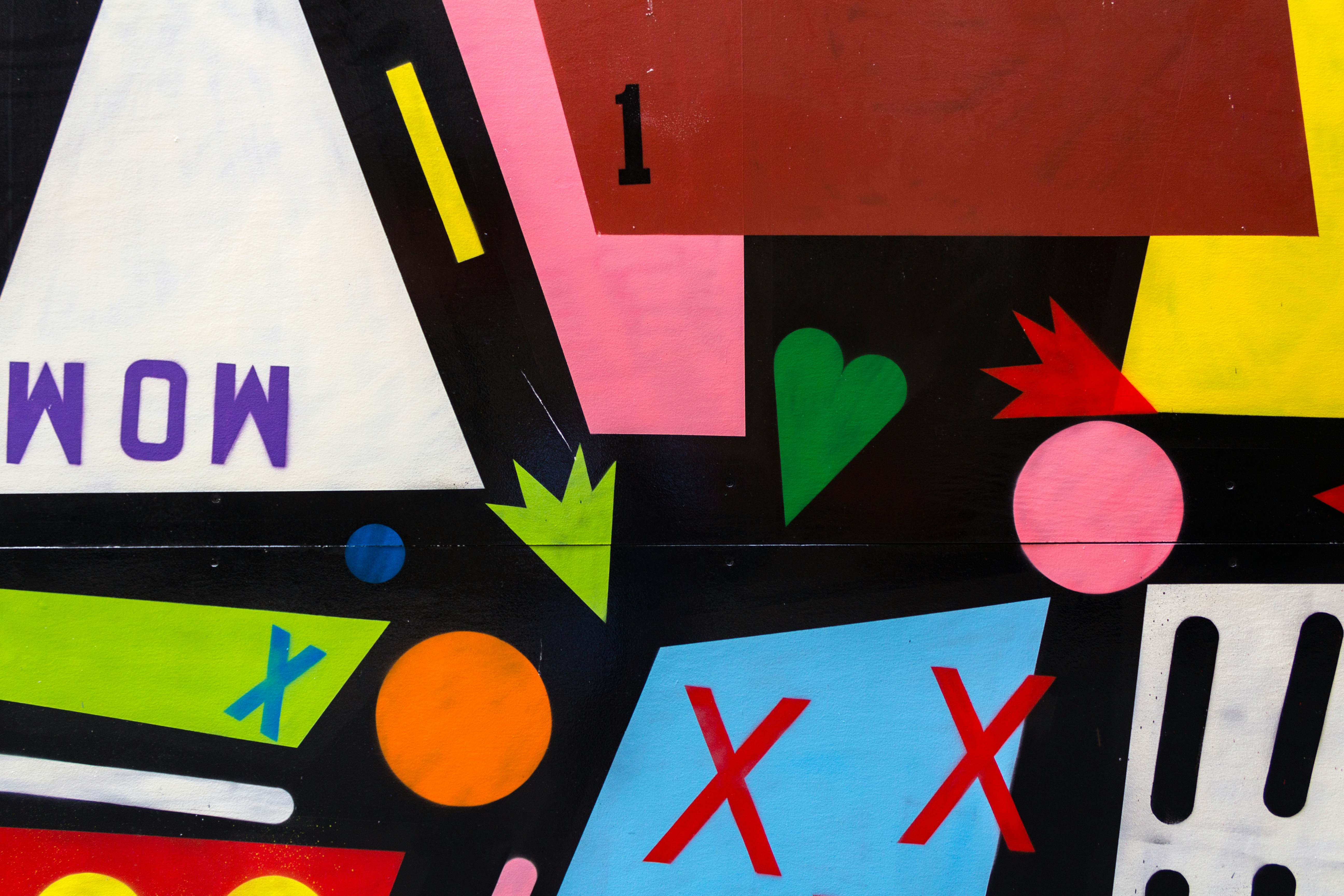
When I say I'm a graphic designer, most people nod and say, u201cOh, so you make logos.u201d That's not wrong. But it's not exactly correct either.
It's a bit like someone telling a doctor, u201cOh, you write prescriptions.u201d Technically true, but it completely misses the point.
Graphic design is actually one of the most practical investments a business can make, and at the same time, one of the most frequently misunderstood. In this text, I will explain what this profession actually entails, why it is important for your business, and, perhaps most importantly, how to know if it is the right time to hire someone.
A graphic designer is not a craftsman, they are a translator
Imagine this: you have a business that sells handmade leather goods. The quality is outstanding, the prices are fair, and you know you're better than 90% of the competition. The problem is that your potential customers don't know that.
They can't see, smell, or touch your product before buying it. All they see is your visual identity: logo, colors, photography, packaging, website, Instagram profile. And based on that, they make a decision in 3 to 5 seconds.
The graphic designer's job is to turn what you know about your business into something the customer feels instantly. No text, no explanation, no u201cbut give it a chanceu201d. Just one look and a feeling: u201cThis is a serious company.u201d
It's not art for art's sake. It is communication.
What a graphic designer actually does
Let's break this down into concrete things, because u201cvisual identityu201d sounds abstract until you see everything that goes into it.
Logo and identity system
A logo is just one part of the story. It comes with an entire system: which colors are used and in which situations, which fonts, which elements, how it all looks on a white background, on a dark one, on packaging, on social media profiles. Without a system, a logo is just a picture. With a system, it becomes a brand.
Communication materials
Business cards, letterheads, proposals, presentations, flyers, banners for trade shows. Every time your business u201ctouchesu201d a potential client, graphic design is there. When everything is uniform and consistent, the company looks professional. When it isn't, even a great product can look amateurish.
Digital materials
Images for social media, ad banners, blog graphics, YouTube thumbnails. Every visual content you post online is part of your visual communication.
Website and landing page design
This is a specific field, and here roles often overlap with UX design. The look of a website directly impacts whether a visitor stays or leaves, whether they buy or not. It's not just about colors and fonts, but about where the buttons are, how the content is organized, and what the user sees first.
Packaging and physical materials
If you sell a physical product, packaging is part of the customer experience. The box, label, the wrapping paper. It all says something about your brand before the customer even opens the package.
Why not everyone can do it
Here I'll be direct, because I often hear: u201cOh, I have Canvau201d or u201cMy cousin's kid is good with computers.u201d
Canva is a great tool. The cousin's kid is surely talented. But graphic design is not a tool, it is knowledge.
Knowledge about why a certain color combination looks cheap. Why a certain font ruins a company's credibility even when the copy says the right things. Why the layout of elements on a page can increase or decrease conversions. Why a logo that looks great on a screen can be completely unusable when embroidered on a t-shirt.
These are things that take years to learn and that the average business owner doesn't need to know. Just like a graphic designer doesn't need to know how to manage financial bookkeeping. Everyone has their own field.
What working with a graphic designer looks like
This is a question many people don't ask, but they should, because mismatched expectations are the number one reason why collaborations don't go well.
1. Discovery session and briefing
Before any visual work begins, the context must be understood. Who is your target audience? What does your company do differently from the competition? What impression do you want to leave? Which brands do you like visually and why?
A good designer asks a lot of questions. If someone just takes the dimensions and immediately starts u201cdrawingu201d, that's a red flag.
2. Research and strategy
Before sketching, the designer analyzes the competition, understands the market, and defines the visual direction. This might not be visible to you as a client, but it's what determines whether the final result will be just pretty or also functional.
3. Initial concept presentation
The designer shows the initial direction, usually explaining why certain decisions were made. It's not about u201cdo I like itu201d, but rather u201cdoes this solve the problem we defined.u201d
4. Revisions and finalization
Based on your feedback, the designer refines the solution. It is normal to have two to three rounds of revisions. It is not normal to change the direction completely after every presentation, as that usually means the creative brief at the start wasn't clear enough.
5. Delivery of files
In the end, you receive files in all the formats you need: for print, for web, for screen. And, just as importantly, instructions on how to use them.
How to know you need a graphic designer
Here are a few clear signals:
The company feels inconsistent. You have one logo on your website, a second on Instagram, and a third on your business card. The colors differ. Every material you produce looks like it comes from a different company.
Clients ask you for recommendations because they u201cdon't know exactly what you do.u201d Visual communication should explain that before a person reads a single word of text. If it doesn't, something is off.
You are not satisfied with how you are perceived compared to the competition. You know you are better, but they look more professional. This is the most common scenario for businesses that have an excellent product or service but a weak visual identity.
You are launching something new. A new brand, a new product, a new line of services. This is the ideal moment to set things up right from the very beginning, instead of fixing them later.
Your old identity embarrasses you. Once, you created a logo quickly just to have something. Now the company is growing, you are entering more serious talks with clients, and that logo simply doesn't match where you are now.
What happens when graphic design is missing
Let's be concrete. Imagine two companies offering the same service at similar prices. One has a consistent, professional visual identity. The other has a logo made by a friend five years ago, a multi-colored website with no clear structure, and Canva-generated images on Instagram.
A potential client who knows neither of them will choose the first option. Even if the second is actually better. Because we can't know that it's better; we only judge what we see.
Graphic design is not just aesthetics. It is part of what a client perceives as reliability, quality, and professionalism.
The difference between a graphic designer and an agency
This is a question that is often asked, and there is no single correct answer.
An agency offers a team: designers, copywriters, project managers. More capacity, higher prices, and sometimes a less personalized approach because you are one of twenty clients.
A designer who works independently, as I do, means direct communication with the person actually working on your project. No passing info through three people, no getting replies from an account manager who doesn't know the answer to your question. You know who you are talking to and you know who is doing the job.
For companies that need focused work on brand, visual identity, or web design, this model usually yields better results and for less money.
Conclusion
A graphic designer is not a luxury for big corporations with massive budgets. Today, it is a practical necessity for any business that wants to position itself seriously in the market.
If you recognize any of the situations described, if your business looks inconsistent, if you are unhappy with how you look compared to the competition, or simply if you are launching something new and want to do it right, it's a good time for a chat.
You don't need to know exactly what you need right away. It's enough to know where you are now and where you want to be. The rest is my job.