
Color psychology in graphic design
The power of colors and how color psychology shapes the perception of your brand
Graphic design and trends
Imagine walking into a luxury watch store, and the walls are bright neon pink, while the shelves are the color of grass. Even if the watches are premium, you would feel like something is wrong. You would probably walk out before looking at a single price. Why? Because the colors sent a message that contradicts what the brand is trying to sell.
A visitor gets an impression of your website very quickly, so color is not just an aesthetic choice. It speaks about the brand even before the text. Color is one of the first things people notice about a product and strongly influences the first impression. As a designer, I often see clients choosing colors based on their current mood or what they "like," forgetting that the design does not serve them, but their audience.
In this guide, I walk through the psychology of colors, from technical basics to cultural meanings, and explain how to use this information to grow your business.
1. Foundations: how do we actually see and perceive colors?
Before psychology, one must understand the technical side of design. There are two basic systems that every business owner should understand in order to avoid expensive mistakes in printing or digital display.
RGB and CMYK
RGB (Red, Green, Blue): used for everything displayed on screens. Colors are created by mixing light.
CMYK (Cyan, Magenta, Yellow, Key/Black): used for printing. Colors are created by mixing pigments.
A common mistake is designing a visual identity exclusively in the RGB system, only to discover later that those vibrant shades look washed out and gray on paper. That is why it is important to work with professionals who understand these differences. This is part of a broader story of why cheap design is the most expensive option, because fixing printing mistakes costs much more than the initial investment in a good file.
Contrast theory and readability
Color directly affects how usable your website is. If you use light gray letters on a white background, it might look "minimalistic," but a good portion of visitors will give up because they cannot read the text without straining their eyes. Accessibility standards (WCAG) prescribe clear contrast ratios that every serious designer must respect.
2. The emotional vocabulary of colors
We associate each color with specific feelings and situations. Here is an overview of the most important colors in graphic design and marketing.
Red: energy, urgency, and passion
Red is hard to miss, which is why it is used for warnings and signs. It feels energetic and creates a sense of urgency.
When to use it: for call-to-action (CTA) buttons like "Buy now," for food and beverage brands (McDonald's, Coca-Cola), or for industries where speed is key.
Risk: too much red can feel aggressive or like a warning of danger.
Blue: trust, stability, and logic
The most popular color in the corporate world. Blue is associated with the sky and the sea, so we perceive it as something constant and reliable.
When to use it: financial institutions, IT companies, healthcare. It calms the user and suggests professionalism.
Risk: can feel cold and unapproachable if not combined with warmer details.
Green: nature, growth, and wealth
Green feels calming and is pleasing to the eye. We associate it with nature, growth, and safety.
When to use it: eco-friendly products, organic cosmetics, but also banking (the color of money).
Risk: certain shades of yellow-green can be associated with illness or toxicity.
Black and white: luxury and purity
Black is not a color, but the absence of light, yet in design, it carries the weight of authority and elegance. White is space, freedom, and a new beginning.
When to use them: brands like Apple and Nike use this contrast to achieve a timeless look.
Risk: too much black can look heavy and gloomy, while too much white can make the site look unfinished.
Well-matched colors can help when building a strong brand and visual identity.
3. Palette creation strategy: the 60-30-10 rule
How do you combine all these emotions into one harmonious brand? There is a rule I use when creating every visual identity.
Color role | Percentage | Purpose |
Primary | 60% | Dominant color that sets the tone (usually neutral). |
Secondary | 30% | Color that supports the primary and adds visual interest. |
Accent | 10% | Color that "pops" and serves for the most important actions (buttons, links). |
This rule ensures that the user is not overwhelmed with information. When someone enters your site, they subconsciously look for signposts. If all your elements are in bright colors, nothing is important. If everything is neutral, and only one button is in an "accent" color, you have told the user exactly what to do without a single written word.
4. Cultural filters: does your color "translate" well?
Color is universal, but its meaning is not. If you plan to expand your business beyond the Balkans, this chapter is important.
White: in the West, it is a symbol of purity, in China, it is the color of mourning.
Yellow: in Egypt, it is the color of mourning (the color of gold that goes into the afterlife), while in Japan, it is a symbol of courage.
Purple: traditionally the color of royalty in Europe because the pigment was the most expensive, while in some Latin American countries, it is associated with death.
When planning a design, I always go back to market research. A design that works in Berlin might not have the same effect in Tokyo. That is the level of detail that distinguishes an average design from one that truly reaches the audience.
5. Color psychology and user experience (UX)
Colors are not just there to make a logo look nice. They are there to solve user problems. In 2026, the focus shifts towards a personalized experience. Properly chosen colors are an important element of a professional logo.
Dark mode: more than a trend
More and more users prefer dark mode. This changes the way we perceive color psychology. Colors that looked warm on a white background can look aggressive on black. When creating a modern website, a designer must anticipate both scenarios.
Color as navigation
Through color, you can group information. For example, if you sell different categories of products, assigning a specific color to each category helps the user navigate faster. We recognize color at first glance, before we read the label "Cosmetics" or "Electronics."
In my text about design trends for 2026, I mentioned tactile digitalism. Color plays the role of shadow and light here, giving digital objects weight and realism, which additionally strengthens the user's emotional connection with the brand.
6. How to test your color palette?
Never rely on assumptions. There are objective ways to check if your color choice works:
A/B testing: make two versions of a landing page with different CTA button colors and compare the results.
Squint test: look at your design through half-closed eyes. If you cannot clearly see where the most important information is, the palette is not good.
Competitor analysis: you do not want to look identical to your biggest competitor. If everyone in your industry is blue, maybe it is time to be purple and take the position of an innovator.
Color is your investment
Color selection is a strategic decision. It affects how long people will stay on your site, how much they will trust you and, ultimately, how much money they will spend with you. Quality graphic design uses psychology as a tool to achieve your business goals.
Next time you think about changing your visual identity, do not ask yourself "which color is pretty to me," but "how do I want my clients to feel."
If you need help choosing colors for your brand, check out how I do branding and visual identity.
What that looks like on a real project is shown by the label design for Fresh Juice.
If you are not sure whether your current design sends the right message, feel free to look at my previous works or contact me directly via the contact page for a free consultation about your branding.
Does every industry have its own "forbidden" colors?
There are no strict prohibitions, but there are unwritten rules. For example, blue is rarely used in the food industry (except for seafood or frozen food) because there is almost no blue food in nature, so the color blue is less commonly associated with appetite.
How do I choose colors that will look good both on a phone and in print?
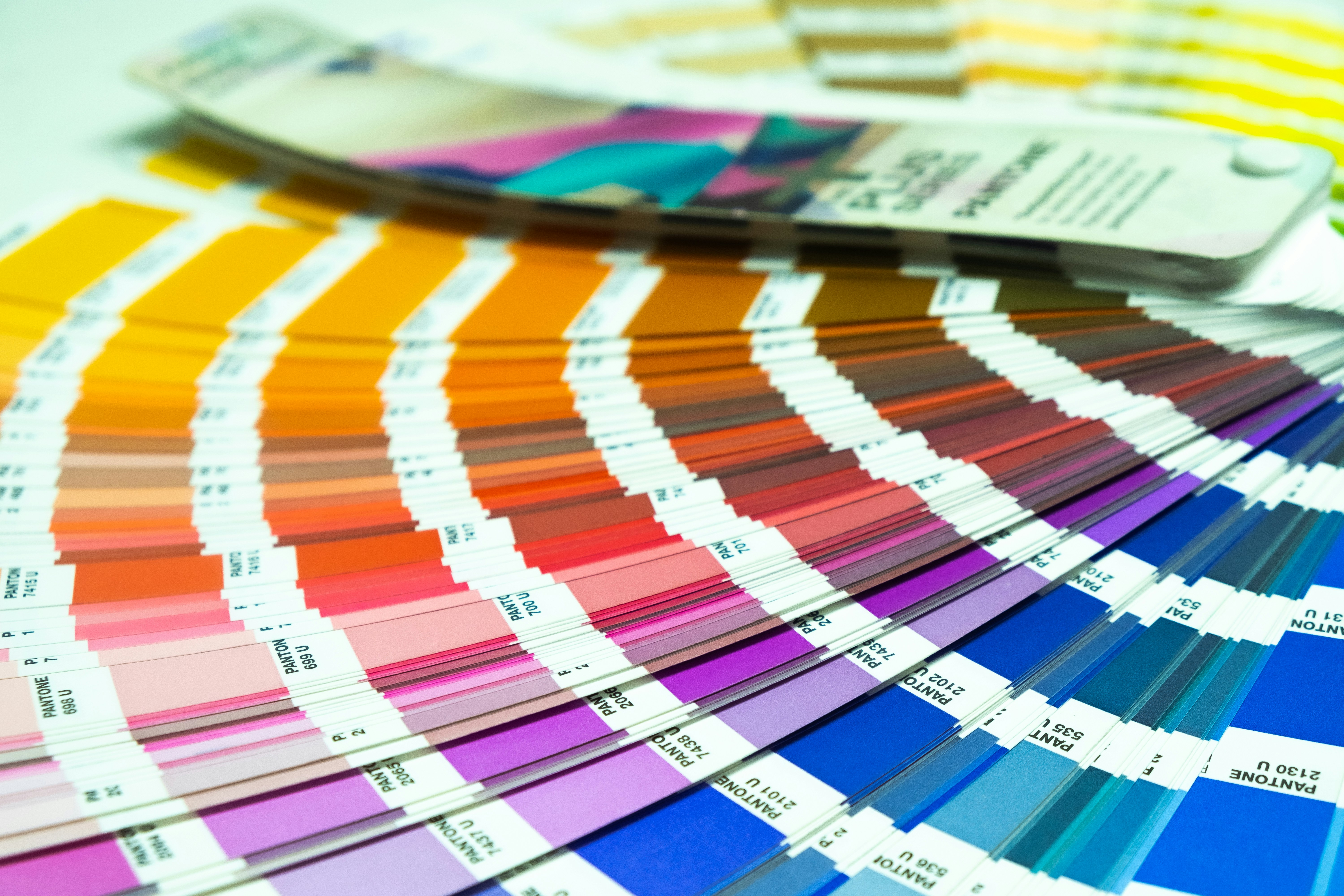
Always start with a design in the CMYK profile if you plan on printing, and then convert to RGB for digital needs. Also, use Pantone color codes, which help ensure the shade remains the same across different print shops.
Does color saturation affect psychology?
Yes. Highly saturated colors feel energetic and youthful, but they can quickly tire the eyes. Muted colors feel sophisticated, calm, and professional. The choice of saturation is just as important as the choice of the hue itself.
How many colors are "too many" for a single brand?
It is a rule to stick to a maximum of 3 to 5 colors. Anything beyond that creates visual noise and makes it difficult for the brand to become recognizable. Remember the big brands, most rely on one to two key colors.
Can colors influence the price of a product?
They can. Certain combinations (black and gold, dark burgundy and silver) subconsciously suggest higher value and exclusivity. On the other hand, combinations of bright yellow and red often suggest discounts and low prices.

Senior UX/UI and product designer from Belgrade, with more than 10 years of experience. He has collaborated with clients such as MerchKing, Bex courier service, Balkan Group, Maeti, 502 Solutions, DataWiz, and many others. He holds Google and Adobe specializations and a Uxcel certification in UX/UI design.