
3D Printing Belgrade: From Classified Ads to a Webshop That Sells
Webshop and back office in Lovable, photos and posts, with data-driven updates
About the project
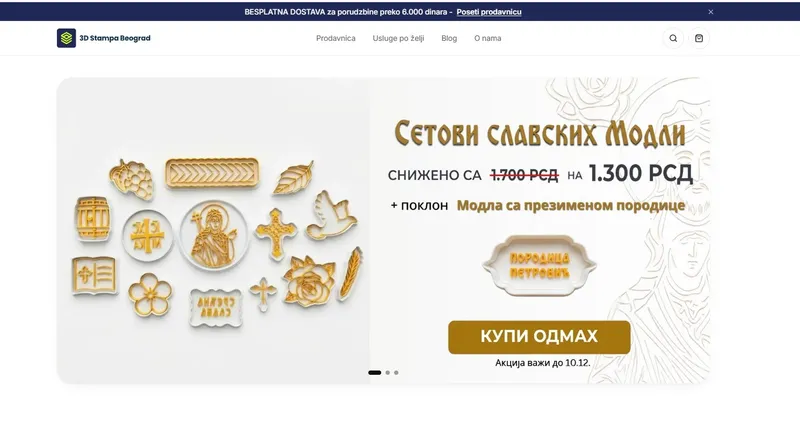
A family-owned 3D printing workshop was selling celebration bread molds almost exclusively through classified ads, mostly to local buyers. I built a brand, a workflow for photos and social media posts, an online store with an admin back office, and analytics. Then, based on customer behavior, I optimized the site. Within a month, Google traffic increased nearly fivefold, and the website became their primary sales channel.
Challenge
Cookie cutters with figures of saints are a product people only look for right before their slava (patron saint day), and often at the very last minute. Sales were conducted through classified ads and in-person pickups, mostly to local buyers, so customers from other cities rarely reached the workshop. A website was needed that explains the product, works flawlessly on mobile phones, and guides the customer to an order without phone calls and messaging.
Role: identity, photography, posts, UX/UI, webshop and backoffice, measurement, SEO, and ads.
Tools: Lovable, Google Tag Manager, GA4, Microsoft Clarity, Meta Ads, Brevo, Search Console.
Identity and Photos
The logo is a layered mark, evoking 3D printing, in dark blue on a lime-yellow background. The same color is used as an accent on the website and in posts, making the brand recognizable in the feed. I described how the mark, typography, and colors were created in the project on the logo and visual identity of 3D Štampa Beograd.
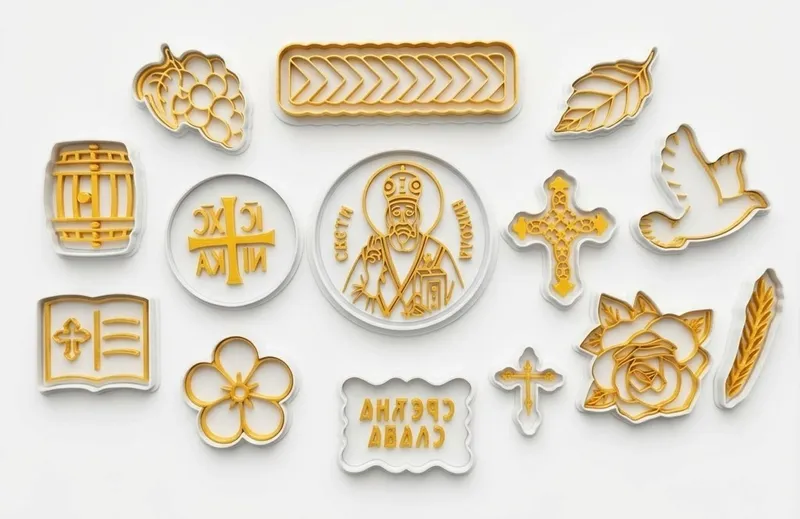
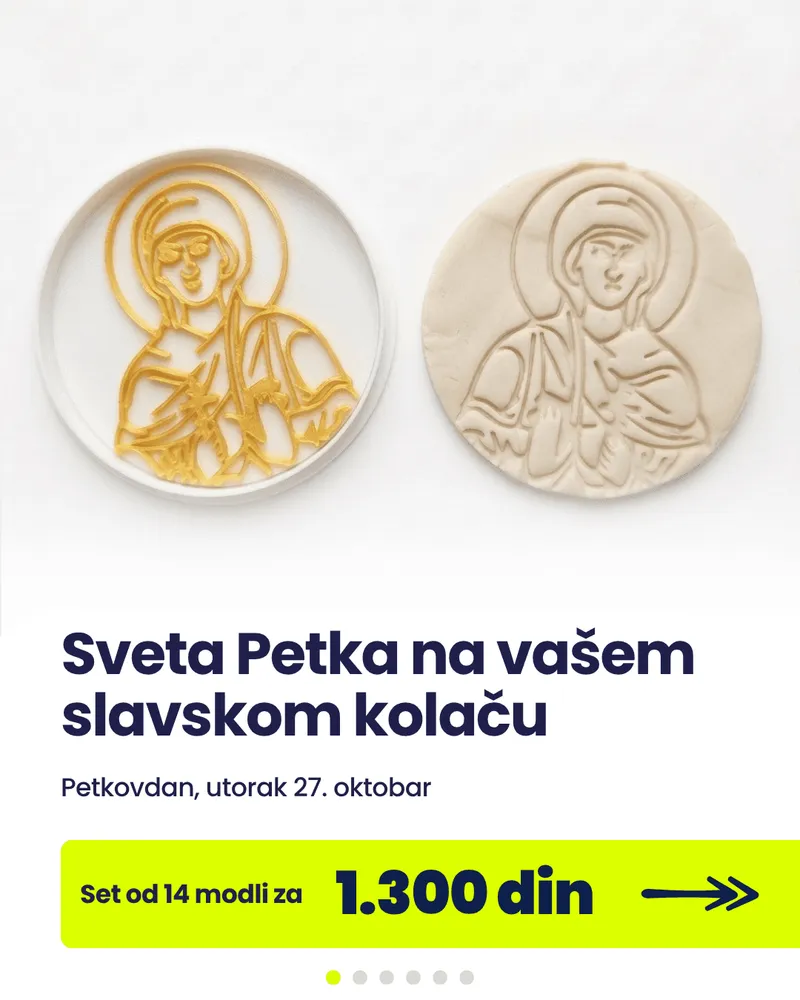
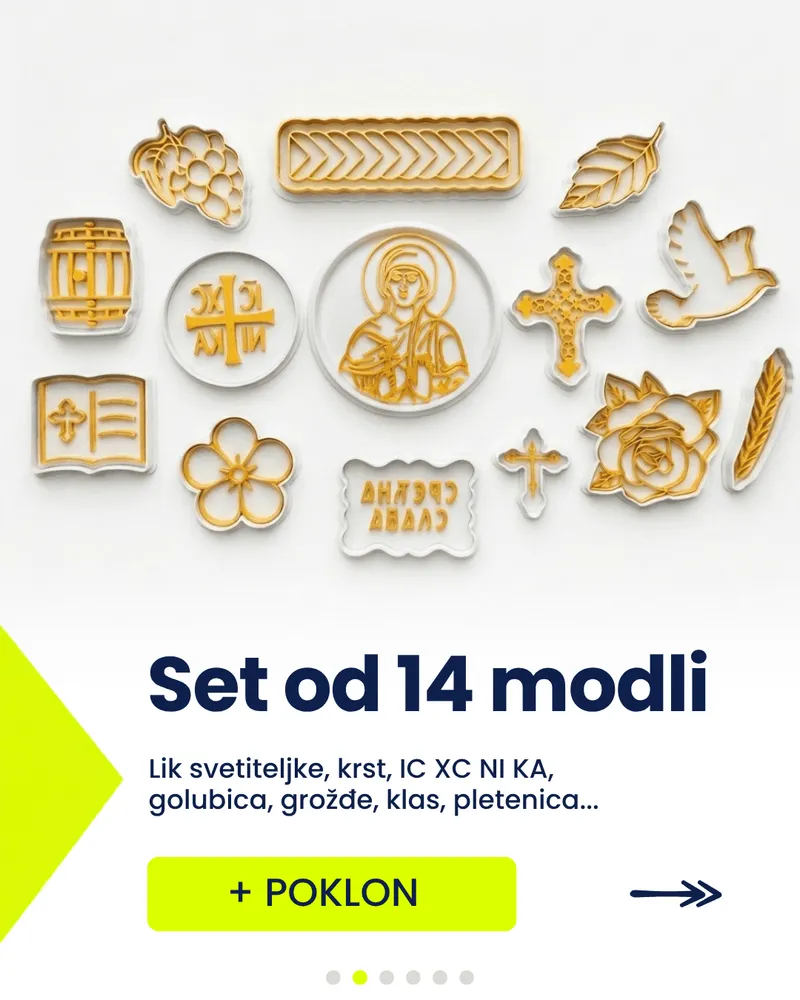
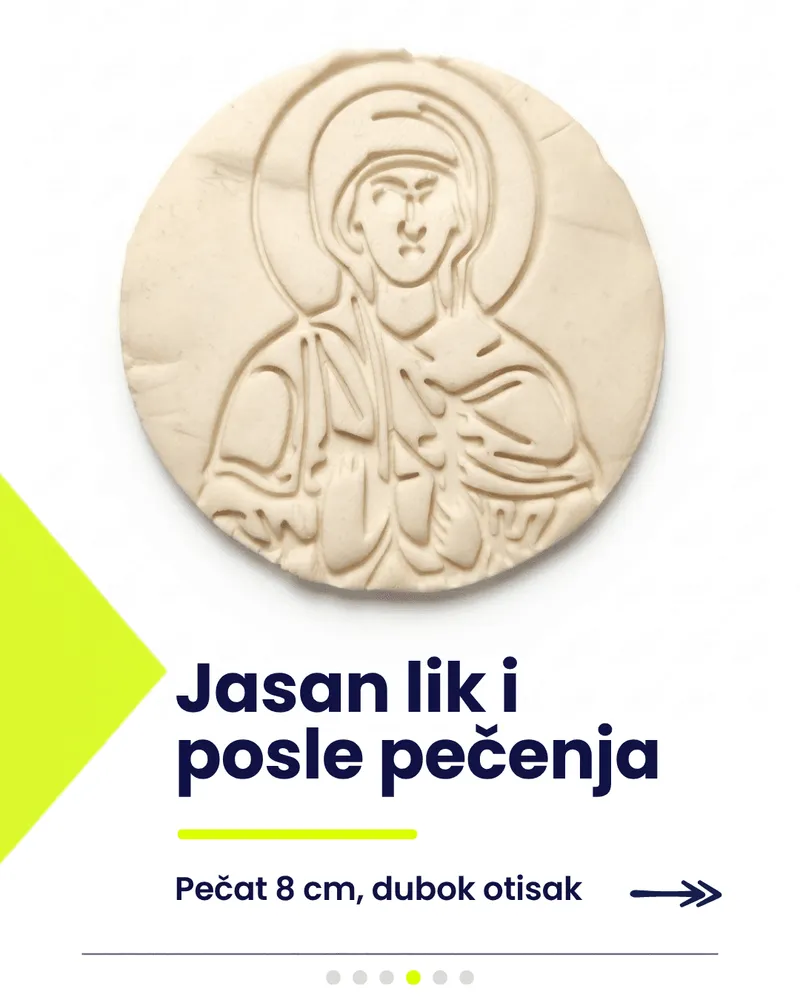
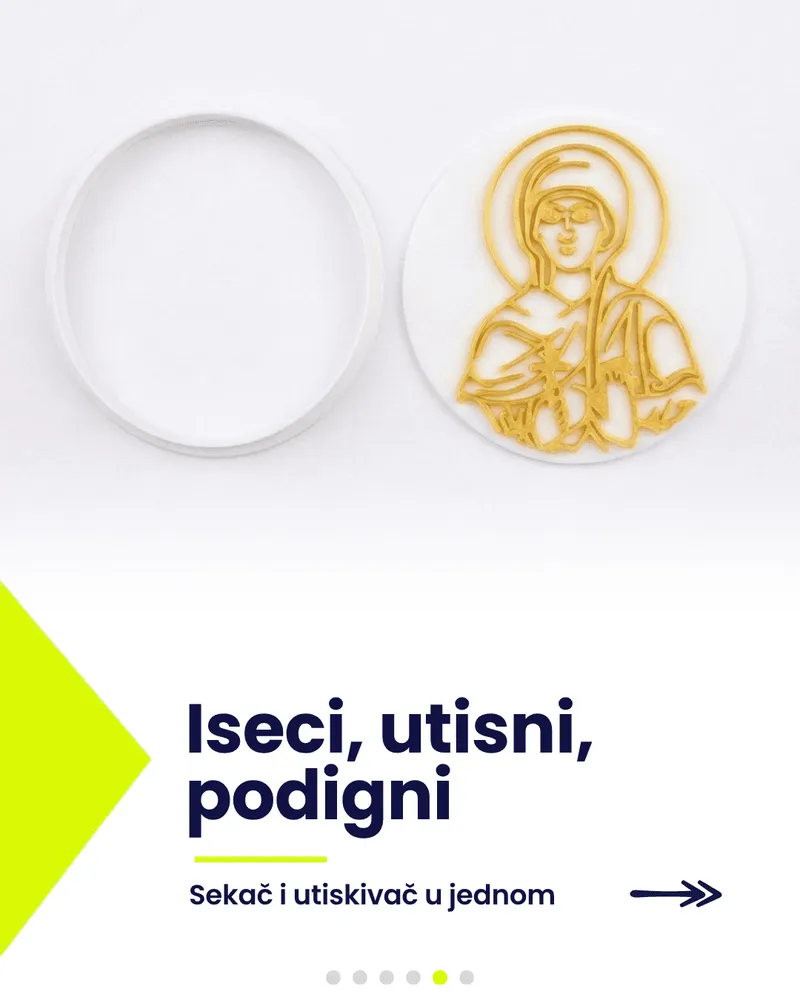
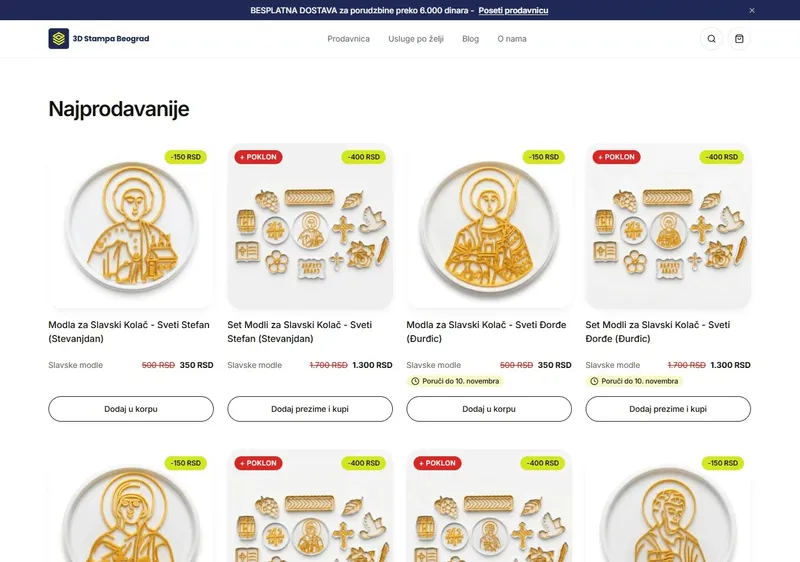
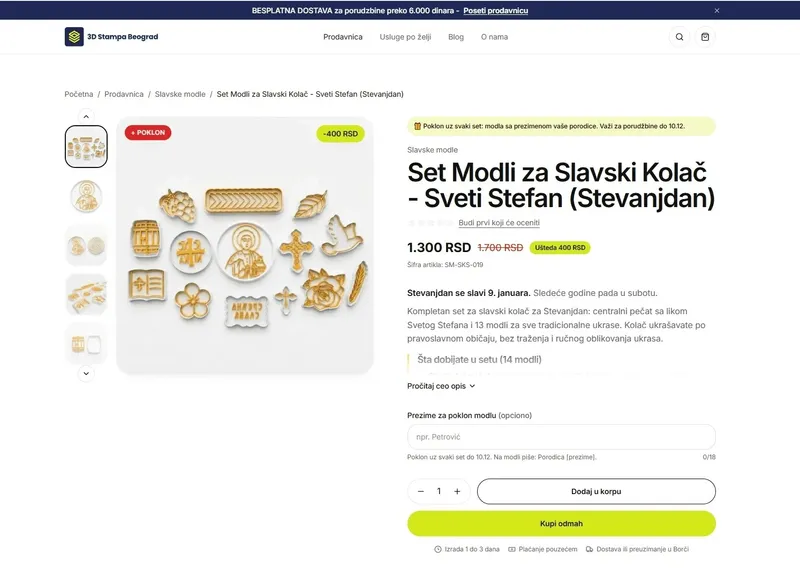
The products are in gold on a light background, creating a festive impression suited for a slava celebration. For each saint, I set up the same sequence of photos: the entire set from above, the mold on a white background, the imprint in dough, and the cutter with the stamper. That way, each new product looks like part of the same whole, and photography goes quickly because it's clear what is needed.
I also introduced a system: a dedicated folder for each saint with 3D models and photos, and a spreadsheet that tracks what has been made, photographed, and published.
Posts and channels
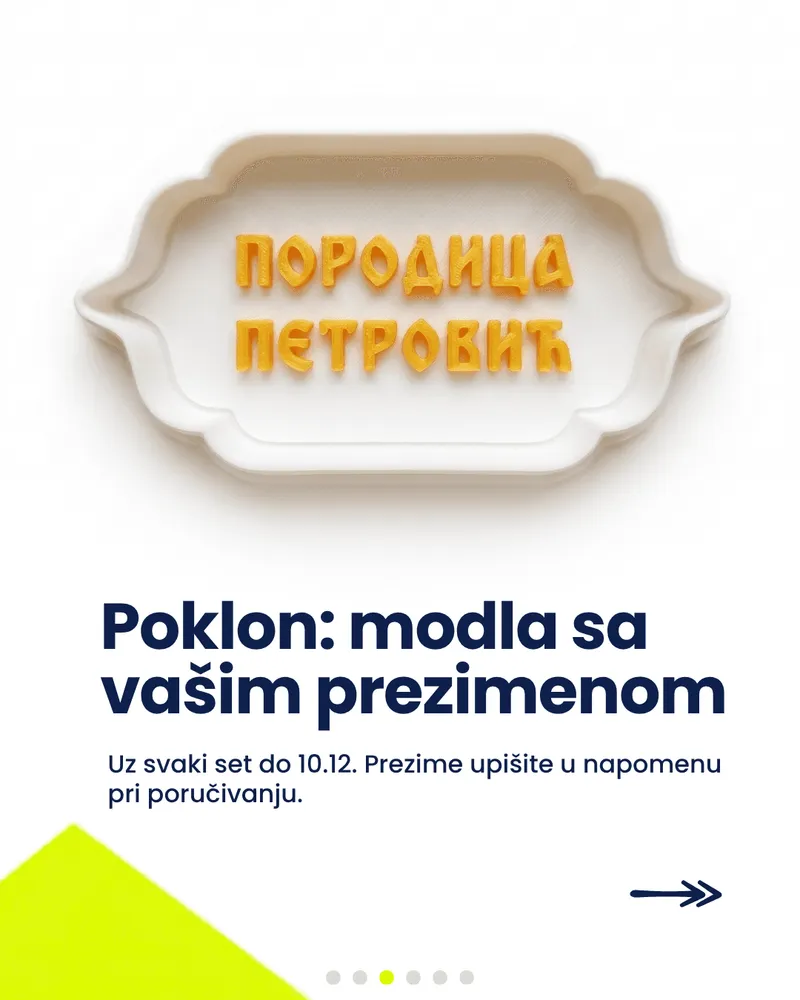
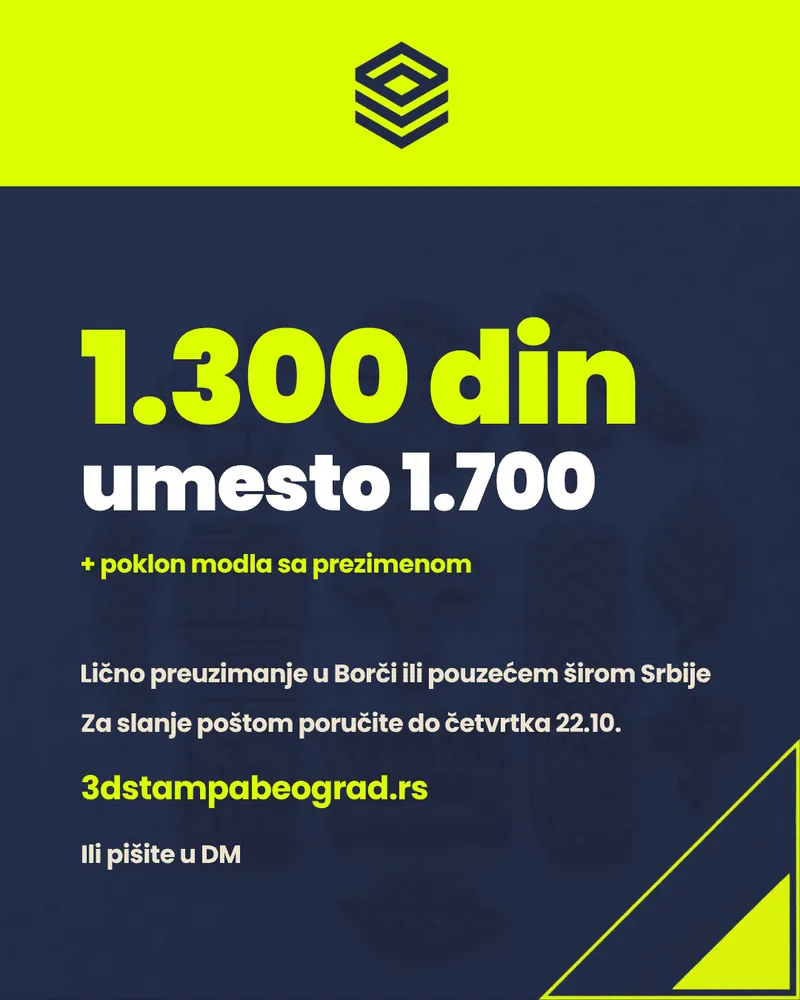
For Instagram, I created a carousel template tailored to each patron saint's day (slava): cover, set, dough imprint, instructions for use, and a call to action. Alongside that, ad templates were created for each saint, a Facebook page, Google Business Profile posts, and a slava calendar with order deadlines. Everything is in a single guide, so creating a post for a new slava takes just a few minutes.
Shop in Lovable
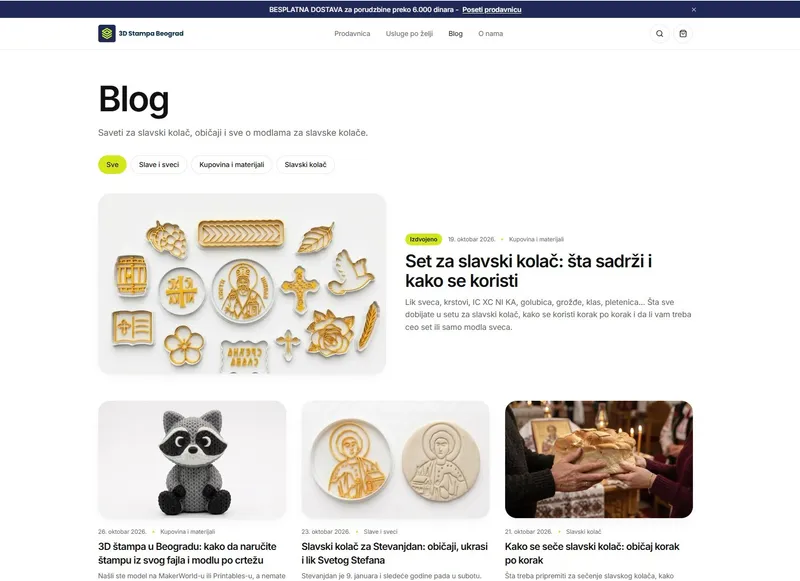
I built the site in Lovable, featuring a shop organized by categories, product pages, a shopping cart, and ordering with cash-on-delivery or in-person pickup options. How I work with this tool and where its limitations lie, I described in my first-hand guide to Lovable. You can check out the webshop at 3dstampabeograd.rs.
Personalization as Part of the Shopping Experience
The most important decision was personalization. With every set, the customer receives a gift cookie cutter with the family surname, so the surname field became part of the purchase process: on the product page, in the cart, and at checkout, with the “+ Gift” label and the “Add surname and buy” button. Every set buyer has entered a surname since the launch.
Back office
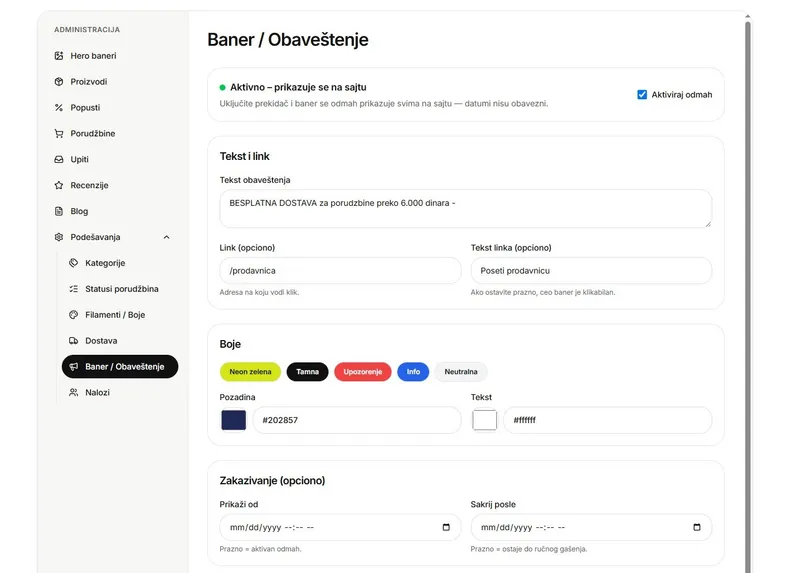
The admin panel was built so that the owner can run the business on her own without me: products with discounts, personalization, and ordering deadlines by patron saint day, orders with statuses and automated emails to the customer (confirmation, produced, dispatched with tracking number), a blog with drafts and preview before publishing, and banners with image cropping to the correct size. Every order also arrives instantly on Telegram.
Data-driven decisions
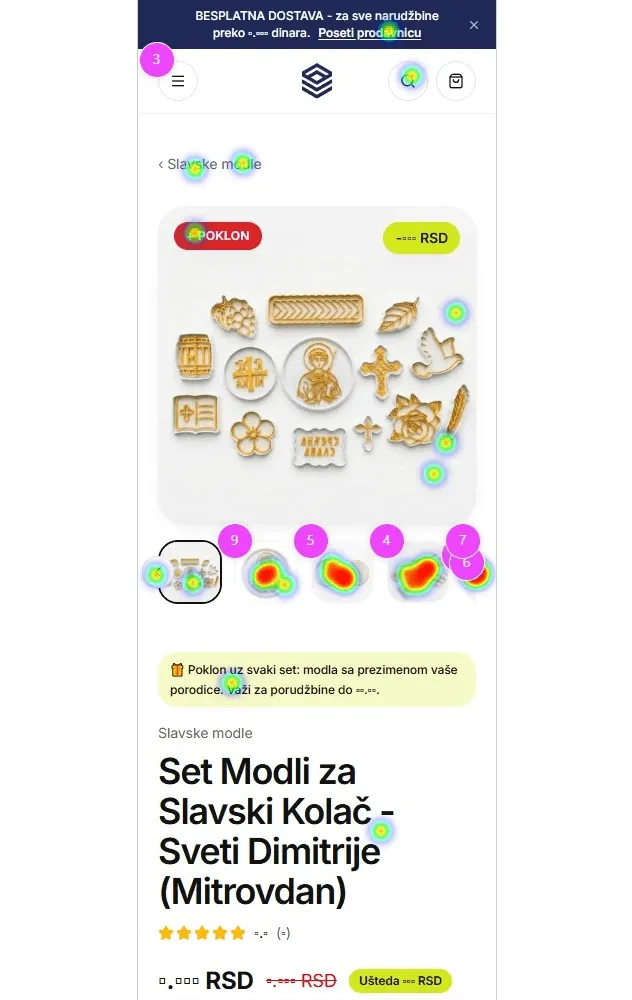
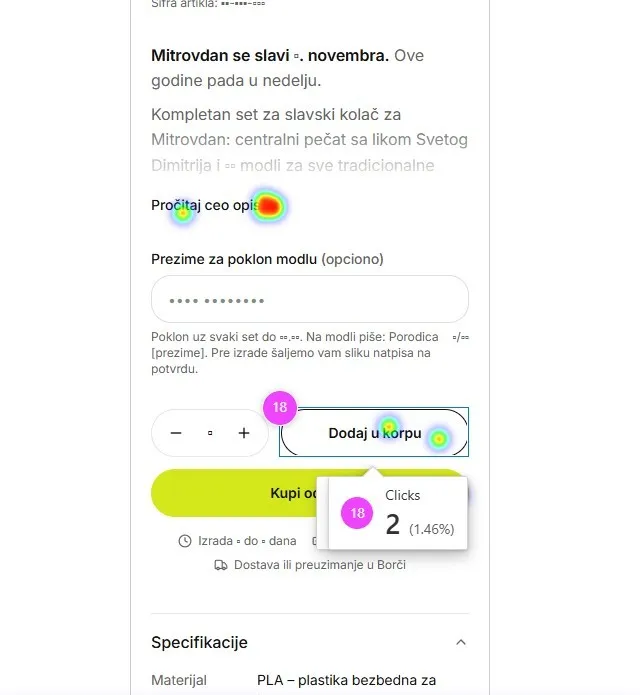
Once the site went live, I tracked visit recordings and scroll maps in Microsoft Clarity. It clearly showed where customers were getting stuck, and every change below came from that.
The buy button was too far down
On mobile, it was placed below a long description, and fewer than 10% of visitors reached it. I added a purchase bar that is visible above the fold and shortened the description with a “Read full description” option, while the entire text remains in the code for Google.
The last name was difficult to change
One customer added the same set to the cart three times just to enter their last name. I moved the field to both the cart and the checkout, with auto-save.
Dead clicks after placing an order
Customers were clicking on product names on the thank-you page, so they were turned into links.
Checkout errors were poorly visible
Now the field gets a red border and a message, and the page automatically scrolls to the error.
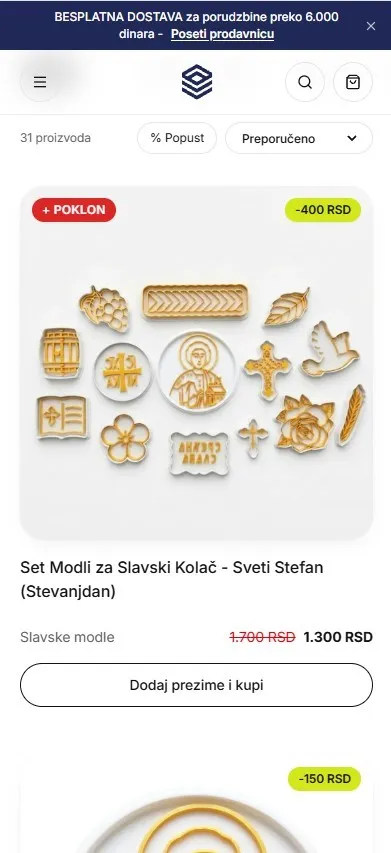
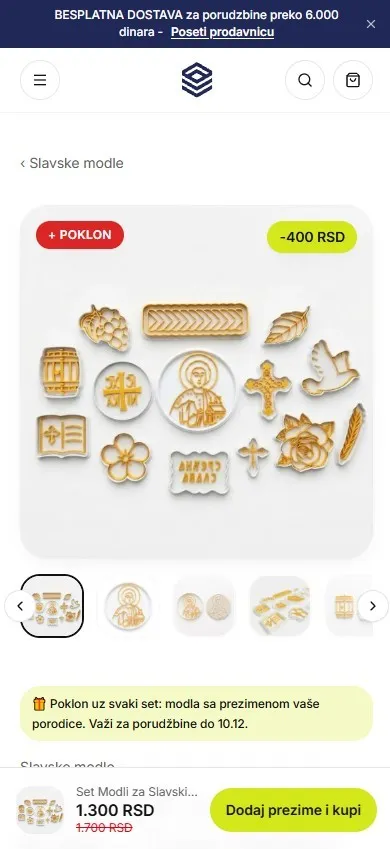
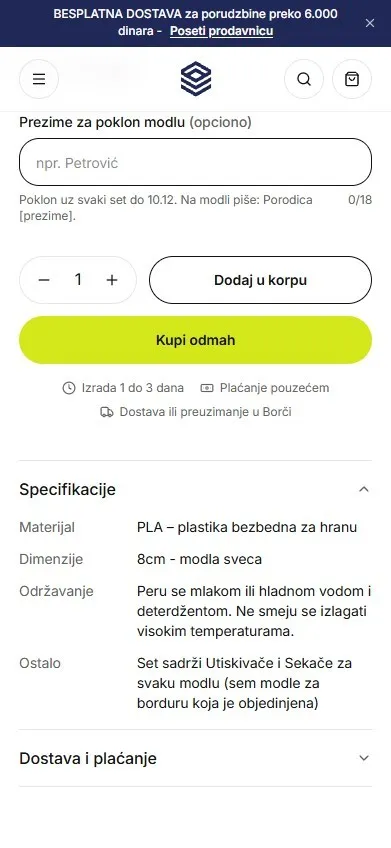
I use the same approach when doing a UX website audit for clients: first I look at how people actually behave, and only then do I change the design.
Measurement, SEO, and Advertising
Via Google Tag Manager, I connected GA4 and the Meta pixel for the entire purchase journey, from product view to order placement. I implemented meta descriptions, Product schema, a blog featuring articles tailored to patron saint days (slavas), and an indexing plan. Ads are run by slava, with a direct link to the set and a tracking tag, and results are recorded once a week into a single cross-channel overview.
First Month, October 2026
≈5x
more weekly visits from Google than before the changes
2/3
all sales now come through the website
40%+
people who open the cash register complete the order
€2.5
sales for every euro invested in the first ad
In addition, total website visits increased about 7 times, every set buyer enters a last name for the gift cookie cutter, and the first returning customer reached out after just a few days.
The numbers are from GA4, Microsoft Clarity, and the workshop's order records.
What I learned
For a product bought once a year, the biggest obstacle isn't the price, but the moment. Within seconds, the customer must see their patron saint, the deadline, and the buy button. Everything else, from photos to the back office, serves to make sure that moment isn't lost.
If you need a webshop or an application that you can run yourself afterward, without developers, take a look at my UX/UI services and app development or reach out via the contact form.
3D Printing Belgrade: logo and visual identity ›
Would you like to collaborate?
Contact me so we can turn your ideas into impressive digital solutions.
Contact me

© 2026 | Nikola Živanović
Services
|
Projects/Works
|