
Bringing
Why is branding essential for business success?
Branding and identity
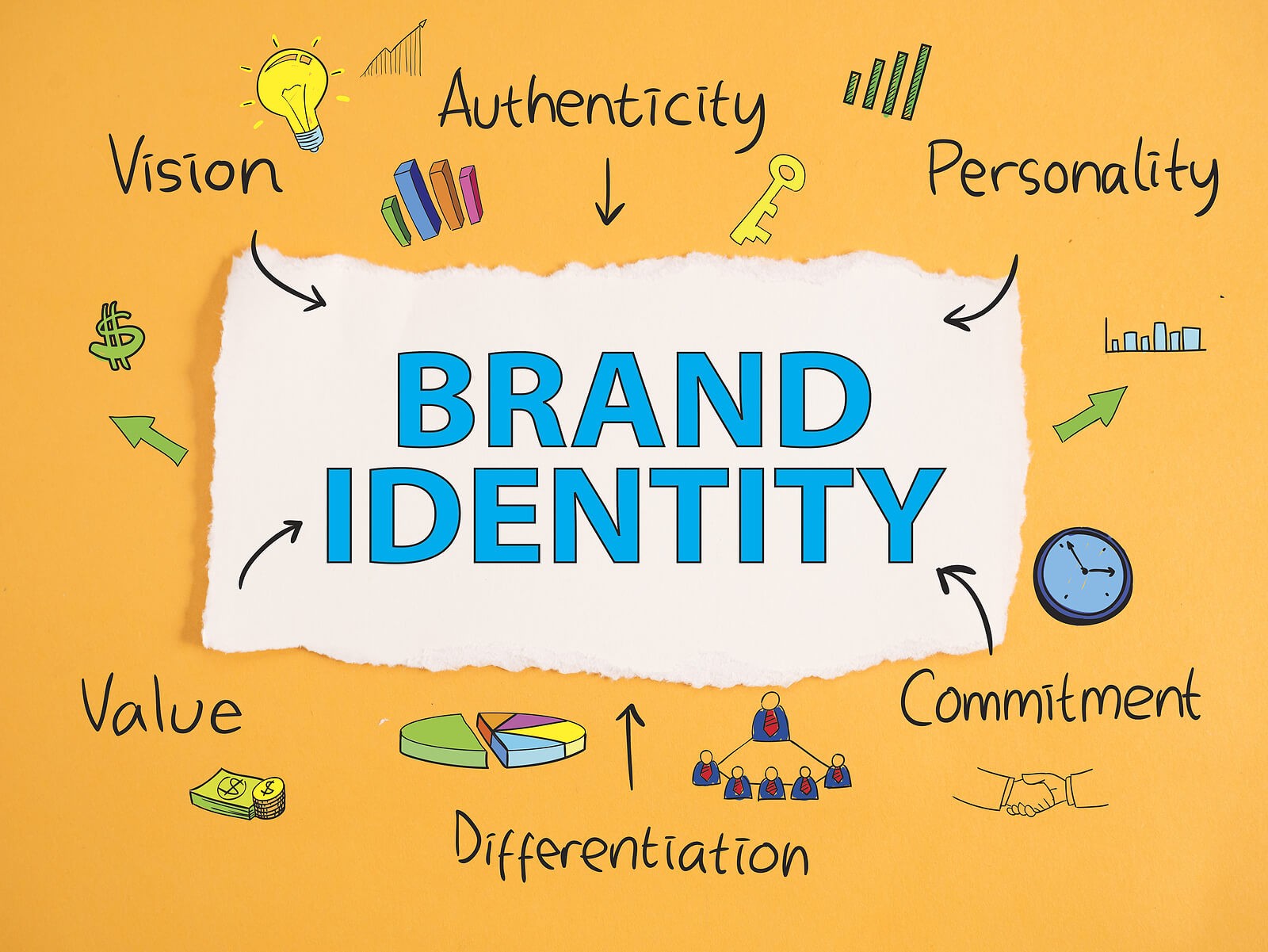
What Is Branding, Really?
Many people reduce branding to visual elements only: logo, colors, fonts. Although visual identity is an important part of a brand, branding is much more than aesthetics. It is the overall experience a consumer has when they encounter your product or service. Learn more about the psychological impact of colors on brand perception.
A brand includes:
Your values and the messages you send to the world,
The tone of communication you use on your website, social networks, and in direct contact,
The way you provide customer support,
The reputation you build through client experiences.
In other words, branding is how people feel about your business - and people buy with emotions.
1. Branding Builds Trust
Trust is the currency of modern business. Customers do not want to risk their money with companies that seem unserious, unprofessional, or inconsistent. A good brand:
has a clearly defined mission,
communicates consistently,
appears safe and professional.
That is why companies like Nike, Coca-Cola, or Tesla are perceived not just as manufacturers - but as symbols of trust. When you invest in branding, you are actually investing in your business’s credibility.
2. Recognizability Brings an Advantage
Customers often choose what is familiar to them, even if it is not the cheapest. Branding allows you to be the first choice when a customer makes a decision. When people can recognize your brand among dozens of similar ones, it means you are on the right track.
Practical example: Two restaurants offer similar food. One has a striking visual identity, an active Instagram with good reviews, a clear slogan, and branded packaging. The other does not even have a website. Where will most people go? It is clear - where they feel safety and familiarity, and that is what a brand achieves.
3. Emotional Connection Creates Loyalty
In today’s oversaturated market, rational reasons for purchase - such as price or product features - are often not enough to ensure long-term customer loyalty. People make purchasing decisions not only with reason, but also with emotions. This is where branding comes in as a key factor that connects the product and consumer emotions.
A Brand Is Not Just a Product - It Is an Experience
Strong branding creates a complete experience around a product or service. Through design, tone of communication, the values you promote, and the story you tell, you create an emotional response in the customer - whether it is a feeling of security, belonging, prestige, inspiration, or even nostalgia.
Emotional Connection Leads to Greater Loyalty
When a customer emotionally identifies with the brand, then:
Buys again and again, not because of rational price comparison, but because they trust the brand and feel connected to it.
Excuses mistakes - a delayed delivery, a minor defect, an order error… all of it is easier to tolerate if there is an emotional connection.
Becomes a brand ambassador - recommends you to others, leaves positive reviews, and defends your brand in conversations and online.
Examples From Practice
That is why Apple has users who upgrade their devices every year, even though they are not necessarily "the best on paper." That is why Starbucks does not just sell coffee - but an “experience” of comfort, a lifestyle brand, a familiar atmosphere, and a ritual. Customers are not loyal to the product alone - they are loyal to what the brand represents to them.
A Brand With Character = a Brand With an Audience
If your brand has personality, clearly expressed values, and communication that “hits the emotion right on target” - you will create not just a customer base, but a community. Loyal customers do not look for a substitute - they choose you again.
That is why brands like Apple or Starbucks have true fans, not just customers.
4. A Brand Justifies a Higher Price
A strong brand does not have to compete on price. People are willing to pay more when they feel quality, security, and prestige. Branding allows you to increase the value of your product in the eyes of customers. Learn why saving on design is an expensive investment.
Remember this: People do not pay €80 for a T-shirt because of the material - but because of the brand that T-shirt carries.
5. Easier Entry Into New Markets
One of the biggest advantages of strong branding is that it opens the door to growth - whether you want to introduce a new product, enter a new geographic market, or expand your service offering.
Brand Creates a Sense of Security for Customers
Imagine that a company you already know and respect suddenly launches a new product from a completely different category. The chances are high that you will give it a chance - because you already trust that company’s quality and approach. This is a direct result of branding.
When you are already known for professionalism, consistency, and good customer experiences, people are much more willing to:
Try something new from your offering,
Buy a product without much research,
Recommend you in other contexts (e.g. “they now offer ___ too”).
Lower Marketing Costs and Greater Campaign Impact
Entering a new market usually involves major marketing efforts - but if you already have a strong brand, part of that work has already been done. People know who you are, what you stand for, and what experiences you offer. Instead of building trust from scratch first, you already have it as an initial advantage.
That means:
Less investment in explaining “who you are” – more focus on what you offer,
A greater likelihood that your campaign will be accepted and shared,
Greater efficiency in working with partners, distributors, and retailers.
Example From Practice
Let’s look at the example of a brand like Virgin. This brand successfully entered completely different industries – from the music industry, through air travel, all the way to mobile services. Why did people even consider Virgin Mobile alongside the existing major operators? Because they already knew Virgin as a brand - rebellious, innovative, different. The emotion and perception of the brand carried over into a new industry.
Brand Expansion = Business Scaling
Branding creates the foundation for scaling. When your brand has:
A clear identity,
A strong reputation,
A loyal user base,
…then new steps are less risky too. You can introduce new product lines, open a new location, enter a new market – without starting everything from scratch.
6. Branding Improves Internal Culture and Attracts Talent
A brand is not just what consumers see - it is also what your employees feel. Companies with a strong brand find it easier to:
bring together teams that believe in a shared mission,
retain quality people,
attract talent.
Employees who are proud of the brand they work for become its strongest ambassadors.
How to Start With Branding?
If you are just entering the world of branding, here are a few first steps:
Define your mission and values - what you stand for and why you exist.
Identify your target group - who you are addressing, what their needs are, lifestyle, and habits.
Create a visual identity - logo, color palette, typography, website design. These are all elements that go into the brand book and graphic standards manual.
Develop a consistent tone of communication - whether you are writing a blog, an Instagram post, or replying to an email.
Build a presence on networks and websites - be present where your audience is.
Branding is not something to leave for later - it is the foundation of every serious and sustainable business. A good product is important, but without a brand it is just a drop in the sea of offerings.
A strong brand creates connection, builds trust, and delivers long-term results. Whether you are a small entrepreneur, a startup, or an already developed business, the right time for serious branding is - now.