
What exactly is UX design, who does UX design, and why is it so important for your business? In this text, I answer those questions.
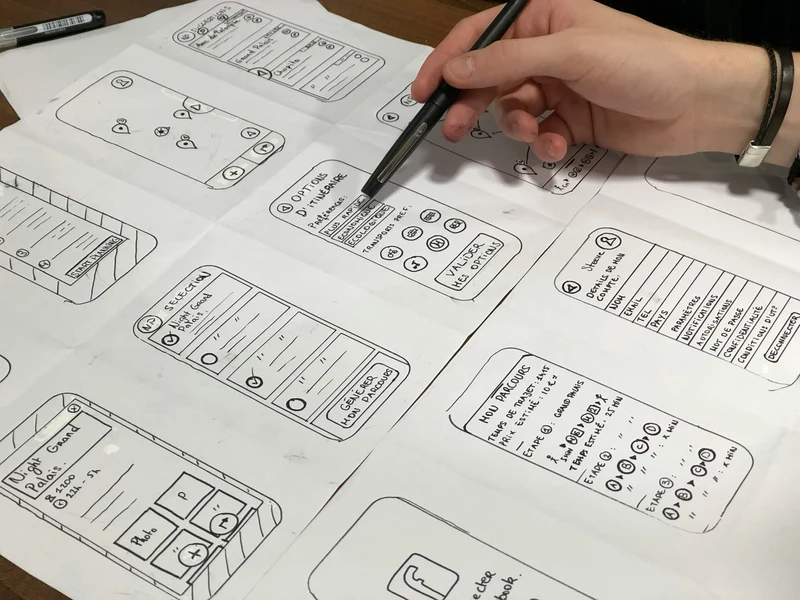
UX design (User Experience design) is one of the most important parts of any successful website or mobile application. But what exactly is UX design, who does UX design, and why is it so important for your business?
In this text, I explain the basic concepts, processes, and roles that UX design has in building digital products, so you can better understand its value and impact.
What does UX design mean and why is UX design important?
UX design (User Experience design) represents the process of creating digital products that provide users with a clear, simple, and pleasant experience. Regardless of whether it is a mobile application, website, software, or a complex interactive system, the goal of UX design is for the user to reach their desired goal as quickly, easily, and intuitively as possible, without confusing elements, obstacles, or frustrations.
Good UX design does not only imply an aesthetically pleasing solution, but first and foremost functionality, clarity, and logic of use. When the user experience is of high quality, users:
- achieve their goals effortlessly,
- stay longer on the platform,
- return again, and most importantly,
- recommend the product to others.
Today, users expect quick solutions and high standards, so UX design is becoming an important factor in the competitiveness of every digital product.
What does the UX process look like?
UX design is not just "drawing screens", but a strategic process that combines analysis, planning, and creative problem-solving. Its purpose is to create a digital product that offers users a logical, intuitive, and efficient experience. The UX process usually consists of the following key phases:
- User research: understanding the target group through analyzing needs, behaviors, and pain points. Who are your users? What do they want to achieve? Where do they face obstacles?
- Defining user personas: creating profiles of ideal users to direct the design toward their actual needs and expectations.
- Creating user flows: mapping the path the user takes within the product, from entry to the desired goal.
- Wireframe and prototype design: visualizing the structure and functionality through wireframes and interactive prototypes, before the actual visual design is created.
- User experience testing: validating the design through testing with real users, in order to identify problems and improve usability.
Through all these phases, the UX designer actively collaborates with UI designers, developers, product owners, and other stakeholders to ensure that the final product is functional, efficient, and user-oriented.

Who does UX design?
A UX designer is a specialist responsible for conceiving, creating, and optimizing the user experience within digital products such as websites, mobile applications, or software solutions. Their task is to understand user needs, identify problems, and offer efficient, intuitive, and functional solutions.
A successful UX designer combines knowledge of user psychology, human-computer interaction (HCI), research methods, interface design, and usability testing. In practice, this means they simultaneously use analytical thinking to interpret data, and creativity to find solutions that facilitate the user journey.
A UX designer often collaborates with UI designers, developers, researchers, and product managers, and is an important part of the team that develops a digital product from idea to implementation. Find out how much it costs to hire a UX designer in Serbia.
UX and UI design: what is the difference?
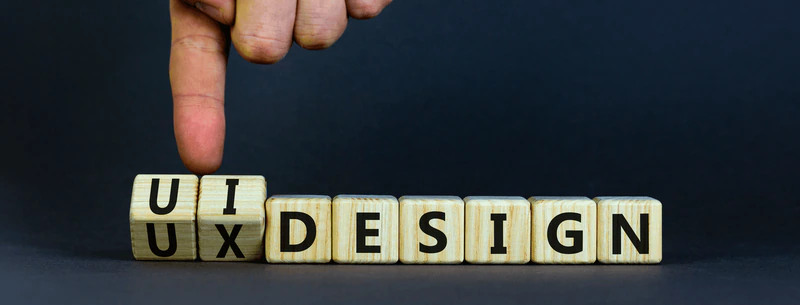
Although the terms UX design and UI design are often used as synonyms, they denote two different but interconnected disciplines (more on this in the text about the difference between UX, UI, and graphic design) in the process of developing a digital product.
- UX design (User Experience) focuses on the structure, functionality, and overall user experience. It encompasses user needs research, user flow definition, prototyping, and usability testing. The UX designer asks: What does the user want to achieve? How can we enable them to do that quickly, easily, and without frustration?
- UI design (User Interface) refers to the visual look and feel of the user interface. This includes colors, typography, buttons, layout of elements, animations, and everything that the user sees and directly interacts with. The goal of UI design is to make everything look attractive, clear, and consistent.
We can say that UI design is part of the UX process: while UX builds the structure and logic, UI shapes the way that structure looks and the feeling it leaves. A successful digital product requires both approaches to be aligned: UX lays the foundation, and UI gives shape and color.
Where is UX design used?
Although UX design is most commonly associated with the IT industry, its application has today expanded far beyond technology. User experience principles are important in many sectors, including:
- E-commerce, where a well-designed experience directly impacts sales and user retention.
- Banking and fintech, where users expect fast, secure, and intuitive financial management.
- Tourism and hospitality, where clarity of information and ease of booking are key to user satisfaction.
- Education, through digital platforms that facilitate learning and engagement.
- Manufacturing of smart devices and physical products, where UX influences ergonomics, usability, and overall user satisfaction.
Whether you are designing a mobile app for ordering food, logistics management software, or even a physical device, UX design allows you to create a product that is logical, intuitive, usable, and competitive on the market.
Why is UX design important for SEO?
UX design and SEO are no longer separate disciplines, today they are closely connected. Google algorithms increasingly favor sites that provide a quality user experience, because that is exactly what shows how useful and relevant some content is.
If your site is:
- slow,
- not mobile-friendly,
- confusingly structured,
- or has complicated navigation,
users will leave it quickly, and that leads to a high bounce rate, and indirectly to poorer visibility on search engines, because people read, share, and link to such a site less often.
Speed is a good example. According to Google data, 53% of mobile site visitors leave a page that takes more than three seconds to load. A site that is slow or hard to use loses visitors before they even get to see the offer.
By investing in quality UX design, you directly influence the SEO performance of your site. Specifically, UX contributes to:
- better visibility on Google (indirectly, because a useful and easy site is shared and linked more often),
- a lower bounce rate,
- longer user retention on the page,
- a higher conversion rate and a larger number of satisfied users.
When a site is designed to be fast, clear, and intuitive, users stay longer, view more pages, and achieve goals more often, and that indirectly helps ranking as well, because Google systems look at the page experience, and people share and link to such a site more often.
UX design is much more than aesthetics, it is the foundation of every successful digital solution. It merges user needs with business goals through efficient, intuitive, and user-friendly interfaces. Find out what you can expect from working with a UX designer.
How that looks on a real product, you can see on the example of the UX/UI design of the Balkanaukcija vehicle auction platform.
If you need an experienced UX designer who will make your product better for users and more efficient for your business, feel free to contact me. Together we can create a digital experience that users love to use.