
The Connection Between UX/UI Design and Digital Marketing
The Connection Between UX/UI Design and Digital Marketing
Conversions, sales, and business

The Connection Between UX/UI Design and Digital Marketing: Why One Doesn't Work Without the Other
Imagine opening a shop on the busiest street in town. You paid for the best possible location, your storefront is well-lit, passersby stop and look. But when they step inside, the shelves are messy, there are no price tags, and the shopkeeper doesn't know where anything is. People turn around and walk out.
This is exactly what happens when a company invests in marketing but neglects design. Or vice versa, when they have a beautiful website, but no one knows it exists.
This is something I see almost every week when talking to clients. Someone comes to me and says, "I have a website, I'm investing in ads, but sales aren't following." The first question I ask is not about the ad budget. The question is: what happens when someone clicks on that ad and lands on your website?
The answer is almost always the same. Marketing is doing its job flawlessly. It brings people in. The problem arises at the next step, the one that rarely anyone views as part of marketing, but is actually its most important part.
Marketing brings people in, design decides what they will do
Digital marketing and UX/UI design are often treated as two separate worlds. One team handles campaigns, keywords, social media content. The other team, often completely isolated somewhere, builds the website. These two teams rarely communicate, yet they work toward the exact same goal: to turn someone who doesn't know you into your customer.
Marketing has one task, to bring the right person to the right place. SEO, ads on Google and Meta, Instagram content, email campaigns—all of that exists to get someone to your website or profile.
Design has a completely different task, but it starts exactly where marketing stops. Once a person arrives, design decides whether they will stay, whether they will understand what you offer, and whether they will take the next step, be it making a purchase, a call, or filling out a form.
If one of these two steps doesn't work, the whole chain breaks. It doesn't matter how perfect the other step is.
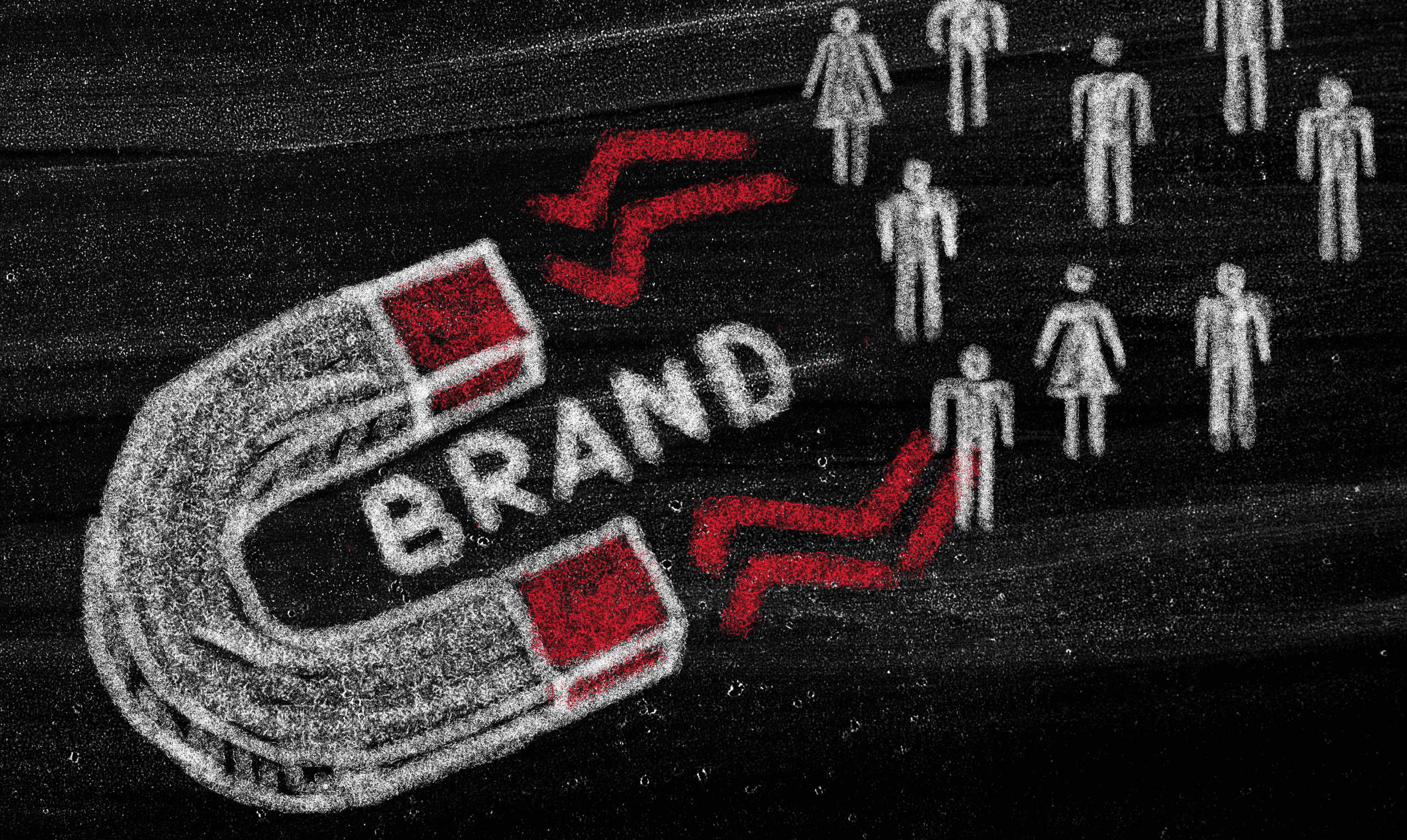
What happens when marketing works, but design doesn't follow
This is the scenario I see most often, so it's worth breaking it down.
A company launches a Google Ads campaign. The ad is well-targeted, the copy is convincing, the cost per click is reasonable. People click. They arrive at the website. And then:
The website loads slowly on phones, so half of the people leave before the page even displays content
It is not clear what the company actually offers within the first five seconds
The contact button is tiny, gray, hidden somewhere at the bottom
The inquiry form asks for too much details and feels like bureaucracy
The result is that ad budget is spent, while the number of inquiries remains the same. The business owner concludes that "marketing doesn't work" and looks for a new agency. But the agency is not to blame. The problem lies at the point where marketing hands the visitor over to design, and design drops them.
This is why serious marketing agencies today insist that a client has a quality website before they even start advertising. Sending traffic to a poorly designed website is like pouring water into a bucket with a hole at the bottom.
What happens when design is great, but marketing is non-existent
There is also the opposite scenario, which is just as common, only less obvious.
Someone invests in a beautiful, modern website. Everything is clean, fast, intuitive. The problem is that nobody knows that website exists. There is no SEO strategy, no social media presence, no plan for how people will actually reach that beautiful page.
This is a case I often see with entrepreneurs who, quite rightly, realized they needed a good design, but skipped the step "how do people reach that design." They got a beautiful shop in the middle of a desert.
That's why design and marketing must be planned together, from day one. Not after launching the website, but before it.
Points where design and marketing literally overlap
If you look closer, design and marketing don't just touch at the "handover" of the visitor. They are intertwined at a much deeper level.
First impression and brand trust. Studies on user behavior online have been showing the same thing for years, people form an opinion about a website's reliability in the first few seconds, mostly based on the visual impression, not the content they have yet to read. This means design does the job of establishing trust before the marketing message even reaches the user.
Loading speed as a common denominator. A slower website means fewer people wait to see the marketing message you paid to show them. This is not just a UX issue, this is a direct loss of return on ad spend.
Clarity of message through visual hierarchy. The marketing team comes up with a message, "book a free consultation",